(!)NOTE : Windows 7 users won’t be able to use some latest features of eCatalog/WOS since Microsoft is ending support for Windows 7 on 14 Jan, 2020. Please upgrade your system for uninterrupted services.

- Notice of End of Sales for Economy Series Pneumatic Equipment Category. More information.
Proximity Sensors(Page2)
Brand |
|
|---|---|
| CAD |
|
| Days to Ship |
|
50 items
- Sort By
-
You can add up to 6 items per a category to the compare list.
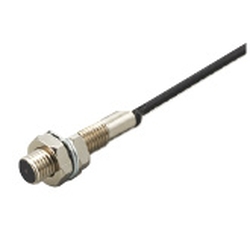
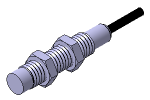
Bases for Sensor Mounting/Cost Efficient Product
MISUMI
Proximity sensors standard type and ultra-mini type
Proximity sensors are one of the automation machine equipments. They offer a wide variety of sizes to choose from.
[Feature]
● Shape : Screw Type and Cylinder Type
● Shield : Shield / Non Shield
● Detecting Head Size :
Screw - M5, M8, M12, M18 and M30
Cylinder - Diameter 4 mm.
● Detection Distance (mm.) :
Shield - 0.8, 1, 2 ,5 andd 10
Non Shield - 4 and 8
● Output : NPN N.O.
● Cable Length (m.): 2
[Application]
It is an important component in the automation system ,its primary function is to detect objects without requiring any physical contact.- Volume Discount
Sensor Shape Detection Object Operating Environment Detection distance L1 [classification](mm) Detection Head Size, Dimension M Shield Detection Type Detection Head Size, Dimension D(Ø) Amplifier Detection Head Size, Dimension L2 (Range)(mm) Sensor Case Material Protection Structure (DIN40050-9) Sensor Detection Surface Material Protection Structure (IEC) Detection Head Size, Dimension W (Range)(mm) Detection Head Size, Dimension H (Range)(mm) Screw / Cylinder Shape Magnetic Metal Standard / Space Saving - M5 / M8 / M12 / M18 / M30 Shield / Non Shield Front Surface Detection 4 Built-in Type 20.1~30 / 40.1~50 / 50.1~60 - - - IP66 / IP67 - - From: ₹ 3,304.78 Days to Ship: Same day or more  Same day or more
-
You can add up to 6 items per a category to the compare list.
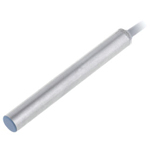
LANBAO
[Features]·It is made internationally and is offered at a low price. ·Head size: ⌀6
Sensor Shape Detection Object Operating Environment Detection distance L1 [classification](mm) Detection Head Size, Dimension M Shield Detection Type Detection Head Size, Dimension D(Ø) Amplifier Detection Head Size, Dimension L2 (Range)(mm) Sensor Case Material Protection Structure (DIN40050-9) Sensor Detection Surface Material Protection Structure (IEC) Detection Head Size, Dimension W (Range)(mm) Detection Head Size, Dimension H (Range)(mm) Cylinder Shape Magnetic Metal Standard ~2 - Shield Front Surface Detection 6.5 Built-in Type 30.1~40 Stainless Steel - Polyarylate Resin IP67 - - From: ₹ 4,454.40 Days to Ship: 6 Day(s) or more
6 Day(s) or more
-
You can add up to 6 items per a category to the compare list.
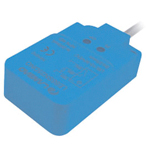
LANBAO
[Features]·It is made internationally and is offered at a low price. ·Detection direction: side detection
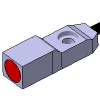
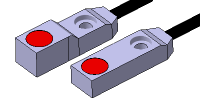
Sensor Shape Detection Object Operating Environment Detection distance L1 [classification](mm) Detection Head Size, Dimension M Shield Detection Type Detection Head Size, Dimension D(Ø) Amplifier Detection Head Size, Dimension L2 (Range)(mm) Sensor Case Material Protection Structure (DIN40050-9) Sensor Detection Surface Material Protection Structure (IEC) Detection Head Size, Dimension W (Range)(mm) Detection Head Size, Dimension H (Range)(mm) Square Magnetic Metal Standard ~50 - Non Shield Side Surface Detection - Built-in Type 60.1~70 PBT Resin - Polyarylate Resin IP67 30.1~40 10.1~20 From: ₹ 4,572.00 Days to Ship: 6 Day(s) or more
6 Day(s) or more
-
You can add up to 6 items per a category to the compare list.
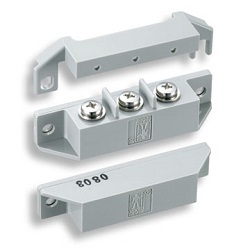
TAKIGEN
By using a magnet, the mechanical switch is turned ON/OFF.
- CAD :
- 2D
Sensor Shape Detection Object Operating Environment Detection distance L1 [classification](mm) Detection Head Size, Dimension M Shield Detection Type Detection Head Size, Dimension D(Ø) Amplifier Detection Head Size, Dimension L2 (Range)(mm) Sensor Case Material Protection Structure (DIN40050-9) Sensor Detection Surface Material Protection Structure (IEC) Detection Head Size, Dimension W (Range)(mm) Detection Head Size, Dimension H (Range)(mm) Square Magnetic Metal Standard ~10 - Non Shield Front Surface Detection - - - ABS Resin - ABS Resin - 10.1~15 10.1~20 From: ₹ 2,223.75 Days to Ship: 6 Day(s) or more
6 Day(s) or more
-
You can add up to 6 items per a category to the compare list.
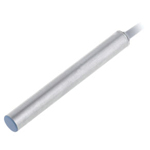
LANBAO
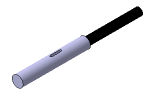
Proximity sensor standard function type, circular shape/direct-current 3 wire type, Φ4 type, Test distance: 0.8 mm KRSS
Proximity sensors are one of the automation machine equipments.
[Feature]
● Shape : Circular type with shield
● Diameter Size (mm.) : 4
● Detection Distance (mm.) : 0.8
● Electrical output : NPN N.O. or PNP N.O.
● Ambient Temperature (°C) : –25 to +70
● Cable Length (m.): 2
[Application]
It is an important component in the automation system ,its primary function is to detect objects without requiring any physical contact.Sensor Shape Detection Object Operating Environment Detection distance L1 [classification](mm) Detection Head Size, Dimension M Shield Detection Type Detection Head Size, Dimension D(Ø) Amplifier Detection Head Size, Dimension L2 (Range)(mm) Sensor Case Material Protection Structure (DIN40050-9) Sensor Detection Surface Material Protection Structure (IEC) Detection Head Size, Dimension W (Range)(mm) Detection Head Size, Dimension H (Range)(mm) Cylinder Shape Magnetic Metal Standard ~1 - Shield Front Surface Detection 4 Built-in Type 20.1~30 Stainless Steel - Polyarylate Resin IP67 - - From: ₹ 5,250.40 Days to Ship: 6 Day(s) or more
6 Day(s) or more
| Brand |
|---|
| Product Series |
| CAD |
| From |
| Days to Ship |
| Sensor Shape |
| Detection Object |
| Operating Environment |
| Detection distance L1 [classification](mm) |
| Detection Head Size, Dimension M |
| Shield |
| Detection Type |
| Detection Head Size, Dimension D(Ø) |
| Amplifier |
| Detection Head Size, Dimension L2 (Range)(mm) |
| Sensor Case Material |
| Protection Structure (DIN40050-9) |
| Sensor Detection Surface Material |
| Protection Structure (IEC) |
| Detection Head Size, Dimension W (Range)(mm) |
| Detection Head Size, Dimension H (Range)(mm) |
You can add up to 6 items per a category to the compare list. 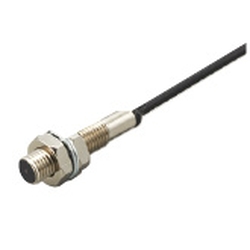 | You can add up to 6 items per a category to the compare list. 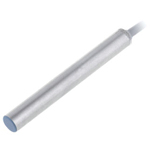 | You can add up to 6 items per a category to the compare list. 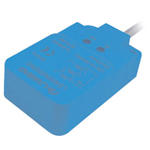 | You can add up to 6 items per a category to the compare list. 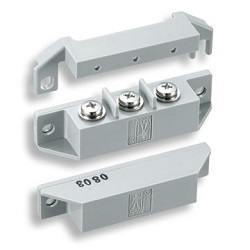 | You can add up to 6 items per a category to the compare list. 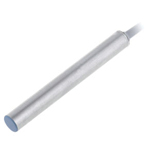 | |
| Brand | MISUMI | LANBAO | LANBAO | TAKIGEN | LANBAO |
| Product Series | |||||
| CAD |
|
|
|
|
|
| From | ₹ 3,304.78 | ₹ 4,454.40 | ₹ 4,572.00 | ₹ 2,223.75 | ₹ 5,250.40 |
| Days to Ship | Same day or more | 6 Day(s) or more | 6 Day(s) or more | 6 Day(s) or more | 6 Day(s) or more |
| Sensor Shape | Screw / Cylinder Shape | Cylinder Shape | Square | Square | Cylinder Shape |
| Detection Object | Magnetic Metal | Magnetic Metal | Magnetic Metal | Magnetic Metal | Magnetic Metal |
| Operating Environment | Standard / Space Saving | Standard | Standard | Standard | Standard |
| Detection distance L1 [classification](mm) | - | ~2 | ~50 | ~10 | ~1 |
| Detection Head Size, Dimension M | M5 / M8 / M12 / M18 / M30 | - | - | - | - |
| Shield | Shield / Non Shield | Shield | Non Shield | Non Shield | Shield |
| Detection Type | Front Surface Detection | Front Surface Detection | Side Surface Detection | Front Surface Detection | Front Surface Detection |
| Detection Head Size, Dimension D(Ø) | 4 | 6.5 | - | - | 4 |
| Amplifier | Built-in Type | Built-in Type | Built-in Type | - | Built-in Type |
| Detection Head Size, Dimension L2 (Range)(mm) | 20.1~30 / 40.1~50 / 50.1~60 | 30.1~40 | 60.1~70 | - | 20.1~30 |
| Sensor Case Material | - | Stainless Steel | PBT Resin | ABS Resin | Stainless Steel |
| Protection Structure (DIN40050-9) | - | - | - | - | - |
| Sensor Detection Surface Material | - | Polyarylate Resin | Polyarylate Resin | ABS Resin | Polyarylate Resin |
| Protection Structure (IEC) | IP66 / IP67 | IP67 | IP67 | - | IP67 |
| Detection Head Size, Dimension W (Range)(mm) | - | - | 30.1~40 | 10.1~15 | - |
| Detection Head Size, Dimension H (Range)(mm) | - | - | 10.1~20 | 10.1~20 | - |
Loading...
Configure
Specification/Dimensions
-
Sensor Shape
-
Detection Object
-
Operating Environment
-
Detection distance L1 [classification](mm)
-
Detection Head Size, Dimension M
-
Shield
-
Detection Type
-
Detection Head Size, Dimension D(Ø)
-
Amplifier
-
Detection Head Size, Dimension L2 (Range)(mm)
-
Sensor Case Material
-
Protection Structure (DIN40050-9)
-
Sensor Detection Surface Material
-
Protection Structure (IEC)
-
Detection Head Size, Dimension W (Range)(mm)
-
Detection Head Size, Dimension H (Range)(mm)



Related Categories to Proximity Sensors
FAQ Proximity Sensors
- Question: how to install proximity sensor
- Answer: Installing a proximity sensor, whether it is a capacitive or inductive type, involves the following general steps:
1. Select the Mounting Location: Choose an appropriate location for the sensor installation. Consider factors such as the desired detection range, the type of object to be detected, and any environmental conditions that may affect the sensor's performance.
2. Prepare the Mounting Surface: Ensure that the mounting surface is clean, flat, and suitable for attaching the sensor securely. Remove any dirt, debris, or contaminants that may interfere with the sensor's operation.
3. Connect the Wiring: Connect the wiring of the proximity sensor to the appropriate power source and signal output. Follow the manufacturer's instructions for the specific sensor model to ensure correct wiring connections.
4. Mount the Sensor: Securely mount the sensor onto the prepared mounting surface using appropriate mounting hardware. Ensure that the sensor is aligned properly and securely attached to prevent any movement or misalignment.
5. Adjust the Sensitivity (if applicable): Some proximity sensors may have sensitivity adjustments to fine-tune the detection range. Refer to the manufacturer's instructions to set the desired sensitivity level based on the application requirements.
6. Test the Sensor: Once the sensor is installed, test its functionality by introducing objects within its detection range. Ensure that the sensor reliably detects the presence or absence of objects as expected.
It's important to note that the specific installation steps may vary depending on the sensor model and the application requirements. Always refer to the manufacturer's instructions and guidelines for the particular proximity sensor being installed. - Question: How does a proximity sensor work?
- Answer: Proximity sensors work by detecting the presence or absence of objects within a certain range without physical contact.
1. Capacitive proximity sensor, it works by measuring changes in capacitance. When an object enters the sensor's range, it disturbs the electric field around the sensor, causing a change in capacitance. The sensor detects this change and triggers a response, indicating the presence of the object.
2. Inductive proximity sensor, on the other hand, uses electromagnetic fields. It generates an electromagnetic field and when a metallic object enters the field, it induces eddy currents in the object. This, in turn, creates changes in the sensor's electromagnetic field, which the sensor detects to determine the presence of the object. - Question: What are the different types of proximity sensors?
- Answer: There are several types of proximity sensors used in engineering applications:
1. Capacitive Proximity Sensors: These sensors detect objects by measuring changes in capacitance. They are effective for detecting non-metallic objects like liquids or plastics.
2. Inductive Proximity Sensors: Inductive sensors use electromagnetic fields to detect metallic objects. They generate an electromagnetic field and detect changes in the field when a metallic object is present.
3. Ultrasonic Proximity Sensors: Ultrasonic sensors emit high-frequency sound waves and measure the time it takes for the waves to bounce back after hitting an object. They are suitable for detecting objects at longer distances.
4. Optical Proximity Sensors: Optical sensors use light to detect the presence or absence of an object. This category includes infrared, laser, and photoelectric sensors. They can be used in various applications depending on the specific sensor type. - Question: What are the applications of proximity sensors?
- Answer: Proximity sensors, including capacitive proximity sensor and inductive proximity sensor, have numerous applications across various industries. Some common applications include object detection, presence sensing, position control, level detection, and automation processes. They are used in industries such as automotive manufacturing, food processing, packaging, robotics, conveyor systems, and many more. Proximity sensors are employed to detect the presence or absence of objects, control the movement of equipment, ensure safety in automated systems, and optimize efficiency in industrial processes.
- Question: How accurate are proximity sensors?
- Answer: Proximity sensors, including capacitive proximity sensor and inductive proximity sensor, can offer accurate detection within their defined range, typically spanning from a few millimeters to several meters. However, accuracy may be influenced by various factors such as the specific sensor type, environmental conditions, and the requirements of the application.
Payment Method
- Credit Card
-


- Debit Cart
-


- Net Banking
-


- UPI
-


- Cheque on delivery
-

- Online payment
-


Social Media


MISUMI India Contact
Copyright © MISUMI Corporation All Rights Reserved.


How can we improve?
How can we improve?
Thank you for your time.
Your feedback is essential for our continuous improvement
Privacy Policy
Thank you for your cooperation.
Thank you for your time.
Your feedback is essential for our continuous improvement
Please use the inquiry form.
Privacy Policy