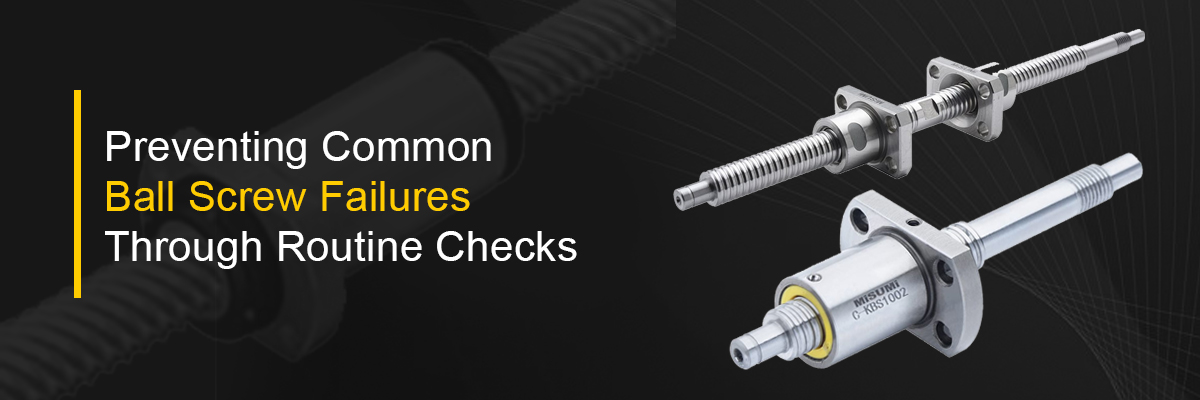
Preventing Common Ball Screw Failures Through Routine Checks
Publish Date: 6 Oct 2025
Ball screws are key parts in many machines. They help move parts accurately and smoothly. But, like any machine part, they can fail if not cared for properly. Routine checks and maintenance are the best ways to keep ball screws working well and avoid expensive repairs.
Why Routine Checks Matter
Regular inspections catch small problems early before they turn into big failures. This saves money, reduces downtime, and keeps machines running smoothly. A well-maintained ball screw lasts longer and stays precise.
What to Check During Routine Inspections
Cleanliness:
Dust, dirt, and metal chips like to hide around ball screws. These can cause damage if not removed. Use a clean, lint-free cloth and a recommended solvent to wipe the screw and nut. Avoid water-based cleaners because they can cause rust.
Lubrication:
Proper lubrication lowers friction and wear. Check the lubricant regularly and apply the right type and amount as the manufacturer advises. Too much grease can attract dirt; too little can cause overheating and wear.
Alignment:
A ball screw must be perfectly aligned with its guides and bearings. Misalignment causes uneven wear and poor performance. Check alignment with simple tools or call an expert if needed.
Wear and Damage:
Look for signs of wear like scratches, pitting, or unusual noises. Any damage on the screw or nut should be addressed immediately. Small issues can be fixed; bigger damage might need part replacement.
Preload Adjustment:
Ball screws use preload to reduce backlash and improve accuracy. Over time, preload may loosen. Check and adjust preload to keep performance sharp.
Signs of Corrosion:
Rust weakens ball screws. If you see corrosion, clean it off with proper tools and apply protective coatings. Keeping the screw dry and covered helps a lot.
Tips to Avoid Failure
- Keep a routine maintenance schedule — don't wait for problems to appear.
- Use protective covers or seals if your machine works in dusty or wet places.
- Avoid rapid starts and stops that stress the ball screw.
- Always operate within the load and speed limits recommended.
When to Call a Professional
Routine checks can be done by your maintenance team. But, for major issues like deep wear, misalignment, or noise problems that you can't fix, contact a technician who knows ball screws well.
Routine checks and regular care go a long way in preventing ball screw failures. Make them part of your maintenance plan to keep machines precise, reliable, and running longer.


