(!)NOTE : Windows 7 users won’t be able to use some latest features of eCatalog/WOS since Microsoft is ending support for Windows 7 on 14 Jan, 2020. Please upgrade your system for uninterrupted services.

- Due to an increase in demand, the lead time of some of the electrical items from our eCatalogue has increased abnormally and may cause delays in delivery or order suspension. We apologize for the inconvenience and appreciate your kind understanding. Once the supply will get normalized, we will update the same.
Ball Screw(Page2)
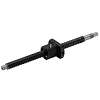
[What is a ball screw?] It is a part that utilizes the principle of linear motion rolling bearings to convert rotary motion to linear motion or vice versa, and is mainly used for positioning and transportation.
Brand |
|
|---|---|
| CAD |
|
| Days to Ship |
|
75 items
- Sort By
-
You can add up to 6 items per a category to the compare list.
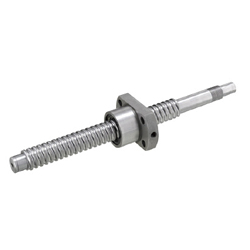
Rolled Ball Screws Compact Nut - Shaft Dia. 12; Lead 4 - Accuracy Grade C10
MISUMI
- Rolled Ball Screws Compact Nut - Shaft Dia. 12; Lead 4 - Accuracy Grade C10 from MISUMI.
- The Rolled Ball Screws have shaft diameter of 12mm, and lead size is 4mm.
- The accuracy grade for this product is C10.
- The overall length of the shaft screw can be customized to fit a range of configurations, from 150mm to 800mm, in 1mm increments.
- The lead twisting direction for this product is right-handed.
- The screw shaft is made of S55C while the nut is made of SCM420H.Days to Ship: 9 Day(s) or more  9 Day(s) or more
-
You can add up to 6 items per a category to the compare list.
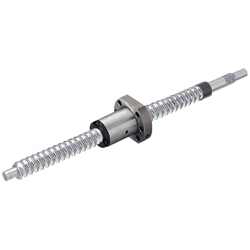
Rolled Ball Screw Made in Taiwan, Shaft Diameter ø20, Lead 5/10/20, Short Nut
MISUMI
- Rolled Ball Screws/Shaft Dia. 20/Lead 5/10/20 from MISUMI.
- The Rolled Ball Screws have a shaft diameter of 20 mm and are available in three different lead sizes: 5mm, 10mm or 20mm.
- The accuracy grade options for this product are C7 and C10.
- The overall length of the shaft screw can be customized to fit a range of configurations, from 200mm to 2000mm, in 1mm increments.
- The lead twisting direction for this product is right-handed.
- The screw shaft is made of 1055 Carbon steel while the nut is made of SCM415 Alloy Steel.Days to Ship: 10 Day(s) or more
10 Day(s) or more
-
You can add up to 6 items per a category to the compare list.
Precision Ball Screws Standard Nut - Shaft Dia. 25; Lead 5, 10, 25 - Accuracy Grade C5
MISUMI
- Precision Ball Screws/Shaft Dia. 25/Lead 5/10/25 from MISUMI.
- Precision Ball Screws have a shaft diameter of 25 mm and are available in three different lead sizes: 5mm, 10mm or 25mm.
- The accuracy grade options for this product C5.
- The overall length of the shaft screw can be customized to fit a range of configurations, from 300mm to 1,500mm, in 1mm increments.
- The lead twisting direction for this product is right-handed.
- The screw shaft is made of 1055 Carbon Steel while the nut is made of SCM415.Days to Ship: 9 Day(s) or more
9 Day(s) or more
-
Economy series
You can add up to 6 items per a category to the compare list.
 MiSUMi Economy
Days to Ship: 11 Day(s)
11 Day(s)
-
You can add up to 6 items per a category to the compare list.
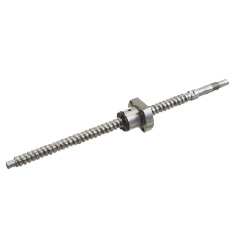
Precision Ball Screws Standard Nut - Shaft Dia. 12; Lead 2, 5, 10 - Accuracy Grade C5
MISUMI
- Precision Ball Screws Standard Nut - Shaft Dia. 12; Lead 2, 5, 10 - Accuracy Grade C5 from MISUMI.
- Precision Ball Screws have a shaft diameter of 12mm and are available in three different lead sizes: 2mm, 5mm or 10mm.
- The accuracy grade option for this product is C5.
- The overall length of the shaft screw can be customized to fit a range of configurations, from 150mm to 600mm, in 1mm increments.
- The lead twisting direction for this product is right-handed.
- The screw shaft is made of S55C while the nut is made of SCM415.Days to Ship: 9 Day(s) or more
9 Day(s) or more
-
You can add up to 6 items per a category to the compare list.
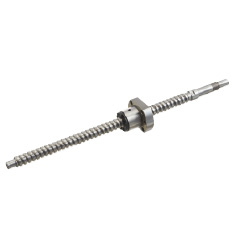
Precision Ball Screws Standard Nut - Shaft Dia. 15; Lead 5, 10, 20 - Accuracy Grade C5
MISUMI
- Precision Ball Screws/Shaft Dia. 15/Lead 5/10/20 from MISUMI.
- Precision Ball Screws have a shaft diameter of 15 mm and are available in three different lead sizes: 5mm, 10mm and 20mm.
- The accuracy grade option for this product is C5.
- The overall length of the shaft screw can be customized to fit a range of configurations, from 150mm to 1095mm, in 1mm increments.
- The lead twisting direction for this product is right-handed.
- The screw shaft is made of 1055 Carbon steel while the nut is made of SCM415.Days to Ship: 9 Day(s) or more
9 Day(s) or more
-
Economy series
You can add up to 6 items per a category to the compare list.
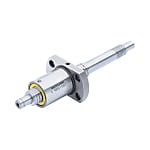
 MiSUMi Economy
Precision Ball Screws Shaft Dia.10 Lead 2/4 Accuracy Grade C5
MiSUMi EconomyMISUMI
- Precision Ball Screws Shaft Dia.10 Lead 2/4 Accuracy Grade C5 from MISUMI.
- Precision Ball Screws have a shaft diameter of 10 mm and are available in two different lead sizes: 2mm or 4mm.
- The accuracy grade option for this product is C5.
- The overall length of the shaft screw can be customized to fit a range of configurations, from 100mm to 315mm, in 1mm increments.
- The lead twisting direction for this product is right-handed.
- The screw shaft is made of S55C while the nut is made of SCM420.Days to Ship: 12 Day(s)
12 Day(s)
-
Economy series
You can add up to 6 items per a category to the compare list.
 MiSUMi Economy
Days to Ship: 11 Day(s)
11 Day(s)
-
You can add up to 6 items per a category to the compare list.
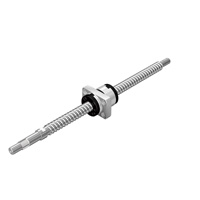
Precision Ball Screw, Shaft End finished product (BNK Shape), Shaft Diameter 14, Lead 8
THK
Because the shaft tips are complete, no drawing and machinery are necessary and the product can be used as is.
[Features]
· The machined screw shaft tip product is standardized ball screw unit with a space saving screw shaft and ball screw nut.
· The screw shaft is standardized with a support unit for the screw tip terminal. When using a BNK0401, 0501, or 0601 mount shape, screws not set as fixed - free are considered fixed - support, and form a direct structure with the motor.
· The screw shaft and ball screw nut shape feature a compact design. In addition, these parts can be assembled in the same shape when used with a support unit or nut bracket, creating a simple and high accuracy feed mechanism.From: ₹ 45,502.83 Days to Ship: 5 Day(s) or more
5 Day(s) or more
-
You can add up to 6 items per a category to the compare list.
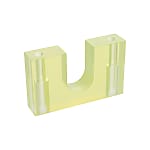
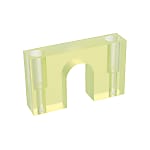
Support Units Peripherals - Stoppers for Ball Screws
MISUMI
[Features]·It can be used as a mechanical stopper for ball screws.
- Volume Discount
From: ₹ 1,272.73 Days to Ship: 6 Day(s) or more
6 Day(s) or more
-
You can add up to 6 items per a category to the compare list.
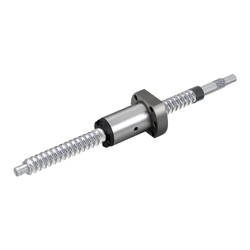
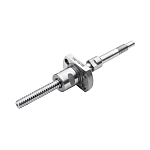
Rolled Ball Screw Made in Taiwan, Shaft Diameter ø12, Lead 4/5/10
MISUMI
- Rolled Ball Screws/Shaft Dia. 12 and Lead 4/5/10 from MISUMI.
- The Rolled Ball Screws have a shaft diameter of 12 mm and are available in three different lead sizes: 4mm, 5mm or 10mm.
- The accuracy grade options for this product are C7 and C10.
- The overall length of the shaft screw can be customized to fit a range of configurations, from 150mm to 800mm, in 1mm increments.
- The lead twisting direction for this product is right-handed.Days to Ship: 9 Day(s) or more
9 Day(s) or more
-
You can add up to 6 items per a category to the compare list.
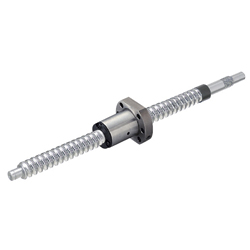
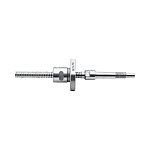
Rolled Ball Screw Made in Taiwan, Shaft Diameter ø15, Lead 5/10/16/20 Short Nut
MISUMI
- Rolled Ball Screws Standard Nut - Shaft Dia. 15, Lead 5, 10,16, 20 - Accuracy Grade C7, C10 from MISUMI.
- The Rolled Ball Screws have a shaft diameter of 15 mm and are available in four different lead sizes: 5mm, 10mm, 16mm or 20mm.
- The accuracy grade options for this product are C7 and C10.
- The overall length of the shaft screw can be customized to fit a range of configurations, from 150mm to 1,200mm, in 1mm increments.
- The lead twisting direction for this product is right-handed.
- The screw shaft is made of S55C while the nut is made of SCM415.Days to Ship: 9 Day(s) or more
9 Day(s) or more
-
Economy series
You can add up to 6 items per a category to the compare list.
 MiSUMi Economy
Days to Ship: 11 Day(s)
11 Day(s)
-
You can add up to 6 items per a category to the compare list.
Precision Ball Screw, Shaft End (BNK Shape), Shaft Diameter 10, Lead 4
THK
- Precision Ball Screw, Shaft End (BNK Shape), Shaft Diameter 10, Lead 4 from THK.
- Precision Ball Screws have a shaft diameter of 10 mm and lead sizes is 4mm.
- The accuracy grade options for this product are C3, C5 or C7.
- The overall length of the shaft screw can be selected to fit a range of configurations, from 180mm, 230mm, 280, 330 or 380mm.
- The length of nut is 34mm.
- The lead twisting direction for this product is right-handed.From: ₹ 29,217.80 Days to Ship: 5 Day(s) or more
5 Day(s) or more
-
You can add up to 6 items per a category to the compare list.
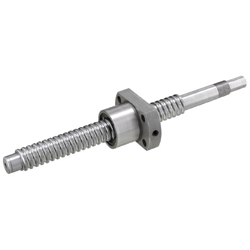
Rolled Ball Screws Compact Nut - Shaft Dia. 25; Lead 5 - Accuracy Grade C10
MISUMI
- Rolled Ball Screws Compact Nut - Shaft Dia. 25; Lead 5 - Accuracy Grade C10 from MISUMI.
- The Rolled Ball Screws have shaft diameter of 25mm, and lead size is 5mm.
- The accuracy grade option for this product is C10.
- The overall length of the shaft screw can be customized to fit a range of configurations, from 200mm to 2,000mm, in 1mm increments.
- The lead twisting direction for this product is right-handed.
- The screw shaft is made of S55C while the nut is made of SCM420H.Days to Ship: 9 Day(s) or more
9 Day(s) or more
-
You can add up to 6 items per a category to the compare list.
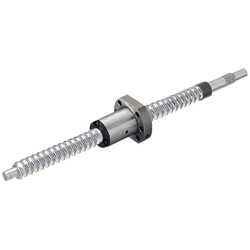
Rolled Ball Screw Made in Taiwan, Shaft Diameter ø25, Lead 5/10/25
MISUMI
- Rolled Ball Screws/Shaft Dia. 25/Lead 5/10/25/ from MISUMI.
- The Rolled Ball Screws have a shaft diameter of 25 mm and are available in three different lead sizes: 5mm, 10mm or 25mm.
- The accuracy grade options for this product are C7 and C10.
- The overall length of the shaft screw can be customized to fit a range of configurations, from 200mm to 2000mm, in 1mm increments.
- The lead twisting direction for this product is right-handed.
- The screw shaft is made of 1055 Carbon steel while the nut is made of SCM415 Alloy Steel.Days to Ship: 9 Day(s) or more
9 Day(s) or more
-
Economy series
You can add up to 6 items per a category to the compare list.
 MiSUMi Economy
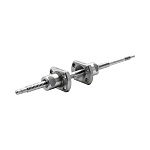
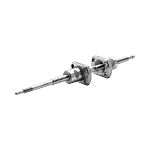
Left and Right Hand Precision Ball Screws - Shaft Dia. 4; Lead 1 - Accuracy Grade C5
MiSUMi EconomyMISUMI
Days to Ship: 11 Day(s)
11 Day(s)
-
You can add up to 6 items per a category to the compare list.
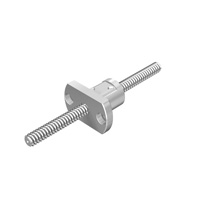
Precision Ball Screw With No Machining on Shaft Ends, MBF Model (No Preload Type)
THK
[Features]
· This product has no machining on the shaft ends, and is a standard series precision ball screw mass-produced at specified lengths.
· Additional work on screw shaft ends can be easily performed.
· Also, a variety of nut shapes are available to suit different purposes such as the BNFN shape double nut, BNF shape single nut, BIF shape offset preload nut, MDK shape miniature ball screw, and MBF shape.
· Dust-proof: The following model number nuts have labyrinth seals mounted.Days to Ship: 22 Day(s) or more
22 Day(s) or more
-
You can add up to 6 items per a category to the compare list.
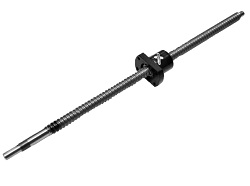
MORIMOTO SHAFT
Generally speaking, ball screws have a dramatically higher transmission efficiency than slide screws. We have blanks in abundant variations, and can provide quick delivery thanks to our proprietary machining technology.
- CAD :
- 2D
Days to Ship: 8 Day(s) or more
8 Day(s) or more
-
You can add up to 6 items per a category to the compare list.
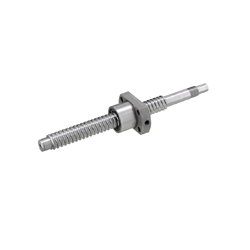
Rolled Ball Screws Compact Nut - Shaft Dia. 8, Lead 2 - Accuracy Grade C10
MISUMI
- Rolled Ball Screws Compact Nut - Shaft Dia. 8, Lead 2 - Accuracy Grade C10 from MISUMI.
- The Rolled Ball Screws have shaft diameter of 8mm, and lead size is 2mm.
- The accuracy grade for this product is C10.
- The overall length of the shaft screw can be customized to fit a range of configurations, from 100mm to 400mm, in 1mm increments.
- The lead twisting direction for this product is right-handed.
- The screw shaft is made of S55C while the nut is made of SCM420H.Days to Ship: 9 Day(s) or more
9 Day(s) or more
-
You can add up to 6 items per a category to the compare list.
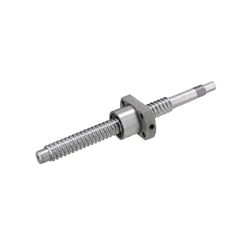
Rolled Ball Screws Compact Nut - Shaft Dia. 10, Lead 4 - Accuracy Grade C10
MISUMI
- Rolled Ball Screws Compact Nut - Shaft Dia. 10, Lead 4 - Accuracy Grade C10
- The Rolled Ball Screws have shaft diameter of 10mm, and lead size is 4mm.
- The accuracy grade for this product is C10.
- The overall length of the shaft screw can be customized to fit a range of configurations, from 150mm to 600mm, in 1mm increments.
- The lead twisting direction for this product is right-handed.
- The screw shaft is made of S55C while the nut is made of SCM420H.Days to Ship: 9 Day(s) or more
9 Day(s) or more
-
You can add up to 6 items per a category to the compare list.
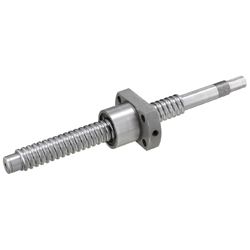
Rolled Ball Screws Compact Nut - Shaft Dia. 20; Lead 5, 10 - Accuracy Grade C10
MISUMI
- Rolled Ball Screws Compact Nut - Shaft Dia. 20; Lead 5, 10 - Accuracy Grade C10 from MISUMI.
- The Rolled Ball Screws have shaft diameter of 20mm and are available in two different lead sizes: 5mm or 10mm.
- The accuracy grade option for this product is C10.
- The overall length of the shaft screw can be customized to fit a range of configurations, from 200mm to 2,000mm, in 1mm increments.
- The lead twisting direction for this product is right-handed.
- The screw shaft is made of S55C while the nut is made of SCM420H.Days to Ship: 9 Day(s) or more
9 Day(s) or more
-
You can add up to 6 items per a category to the compare list.
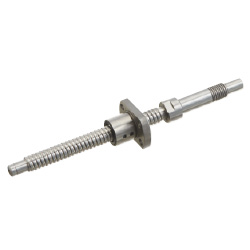
Precision Ball Screws Standard Nut - Shaft Dia. 8; Lead 2 - Accuracy Grade C5
MISUMI
- Precision Ball Screws Standard Nut - Shaft Dia. 8; Lead 2 - Accuracy Grade C5 from MISUMI.
- The Precision Ball Screws have shaft diameter of 8mm, and lead size is 2mm.
- The accuracy grade for this product is C5.
- The overall length of the shaft screw can be customized to fit a range of configurations, from 100mm to 210mm, in 1mm increments.
- The lead twisting direction for this product is right-handed.
- The screw shaft is made of S55C while the nut is made of SCM415.Days to Ship: 10 Day(s) or more
10 Day(s) or more
-
You can add up to 6 items per a category to the compare list.
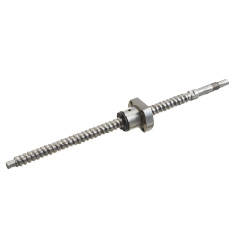
Precision Ball Screws Standard Nut - Shaft Dia. 20; Lead 5, 10, 25 - Accuracy Grade C5
MISUMI
- Precision Ball Screws/Shaft Dia. 20/Lead 5/10/20 from MISUMI.
- Precision Ball Screws have a shaft diameter of 20 mm and are available in three different lead sizes: 5mm, 10mm or 20mm.
- The accuracy grade options for this product C5.
- The overall length of the shaft screw can be customized to fit a range of configurations, from 200mm to 1,500mm, in 1mm increments.
- The lead twisting direction for this product is right-handed.
- The screw shaft is made of 1055 Carbon Steel while the nut is made of SCM415.Days to Ship: 9 Day(s) or more
9 Day(s) or more
-
Economy series
You can add up to 6 items per a category to the compare list.
 MiSUMi Economy
Days to Ship: 11 Day(s)
11 Day(s)
-
You can add up to 6 items per a category to the compare list.
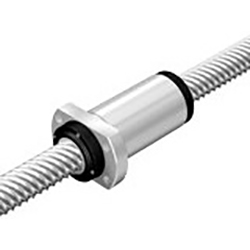
Rolled Ball Screw, No Preloading Type (Nut Single Unit) WTF
THK
[Features]
· THK rolling ball screws are low-priced sending screws that modify the screw grinding shaft used in precision ball screws and use a new screw shaft created by combining high accuracy rolling pressing with special surface grinding finishing.
· Because all the ball rolling surfaces or the combined ball screw nuts have undergone grinding finishing, the gap in the shaft direction is smaller than conventional rolling ball screws, providing smooth operation.
· Also, an abundant standardized lineup is available so you can select the product that's optimal for your application.
· Aside from the C10 class, the shaft tips for the C7 and C8 classes are both standardized for movement amount tolerance, so they can be used for a wide variety of applications.
· After rolling is completed, the ball rolling surface of the screw shaft undergoes a special surface polishing process, finishing the surface at a roughness of 0.20a or less, identical to the precision ball screw product line after screw grinding.
· Rotating ball screw nuts also undergo a ball rolling surface grinding and finishing process just like precision ball screws, which provides durability and smooth operation.
· After rolling is completed, the screw shaft is treated with either high frequency or charcoal immersion quenching, followed by a special surface grinding and finishing process. Due to the manufacturing methods used, this product is comparatively cheaper than the precision ball screw line made through grinding.
· Because the ball screw nut has either a compact labyrinth seal or a brush seal built-in, it operates with low friction and high level dust-proofing, lengthening the life of ball screws.From: ₹ 40,229.31 Days to Ship: 22 Day(s) or more
22 Day(s) or more
-
You can add up to 6 items per a category to the compare list.
Shaft Tip Complete Product Precision Ball Screw (BNK Type), Shaft Diameter: 20, Lead: 10
THK
Because the shaft tips are complete, no drawing and machinery are necessary and the product can be used as is.
From: ₹ 45,483.82 Days to Ship: 5 Day(s) or more
5 Day(s) or more
-
You can add up to 6 items per a category to the compare list.
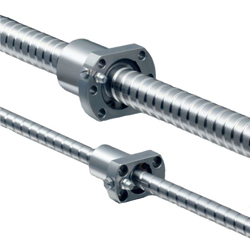
Standard Ball Screw, Compact FA Series for Transport Use, FSS Type
NSK
- Standard Ball Screw, Compact FA Series for Transport Use, FSS Type from NSK.
- Standard Ball Screws have 4 sizes of shaft diameter are 12mm, 15mm, 20mm or 25mm and are available in three different lead sizes: 10mm, 20mm or 25mm.
- The accuracy grade option for this product is C5.
- The overall length of the shaft screw can be selected to fit a range of configurations, from 400mm, 500mm, 600mm, 900mm, 1,000mm or 1,450mm.
- The lead twisting direction for this product is right-handed.From: ₹ 34,624.93 Days to Ship: 11 Day(s) or more
11 Day(s) or more
-
You can add up to 6 items per a category to the compare list.
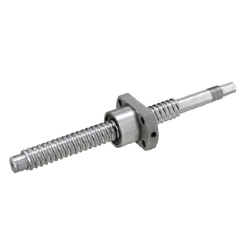
Rolled Ball Screws Compact Nut - Shaft Dia. 15; Lead 5, 10 - Accuracy Grade C10
MISUMI
- Rolled Ball Screws Compact Nut - Shaft Dia. 15; Lead 5, 10 - Accuracy Grade C10 from MISUMI.
- The Rolled Ball Screws have shaft diameter of 15mm and are available in two different lead sizes: 5mm or 10mm.
- The accuracy grade option for this product is C10.
- The overall length of the shaft screw can be customized to fit a range of configurations, from 150mm to 1,200mm, in 1mm increments.
- The lead twisting direction for this product is right-handed.
- The screw shaft is made of S55C while the nut is made of SCM420H.Days to Ship: 9 Day(s) or more
9 Day(s) or more
-
You can add up to 6 items per a category to the compare list.
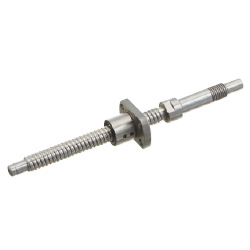
Precision Ball Screws Standard Nut - Shaft Dia. 10; Lead 2, 4 - Accuracy Grade C5
MISUMI
- Precision Ball Screws Standard Nut - Shaft Dia. 10; Lead 2, 4 - Accuracy Grade C5 from MISUMI.
- The Precision Ball Screws have shaft diameter of 10mm and are available in two different lead sizes: 2mm or 4mm.
- The accuracy grade for this product is C5.
- The overall length of the shaft screw can be customized to fit a range of configurations, from 100mm to 380mm, in 1mm increments.
- The lead twisting direction for this product is right-handed.
- The screw shaft is made of S55C while the nut is made of SCM415.Days to Ship: 9 Day(s) or more
9 Day(s) or more
| Brand |
|---|
| Product Series |
| CAD |
| From |
| Days to Ship |
| Specifications |
| Screw Shaft O.D. d(Ø) |
| Product Type |
| Lead(mm) |
| Accuracy Grade |
| Flange Shape |
| Axial End Type |
You can add up to 6 items per a category to the compare list.  | You can add up to 6 items per a category to the compare list. 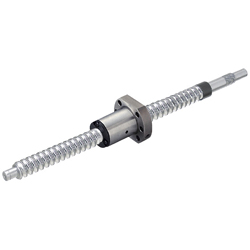 | You can add up to 6 items per a category to the compare list. 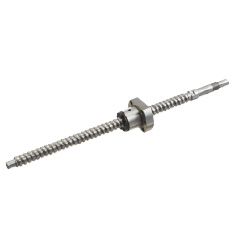 | You can add up to 6 items per a category to the compare list.    | You can add up to 6 items per a category to the compare list. 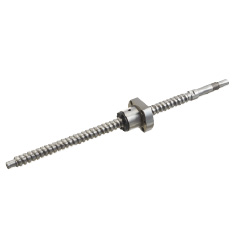 | You can add up to 6 items per a category to the compare list. 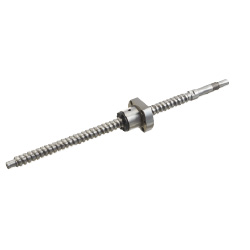 | You can add up to 6 items per a category to the compare list.    | You can add up to 6 items per a category to the compare list.    | You can add up to 6 items per a category to the compare list.  | You can add up to 6 items per a category to the compare list.    | You can add up to 6 items per a category to the compare list. 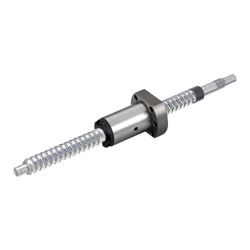 | You can add up to 6 items per a category to the compare list. 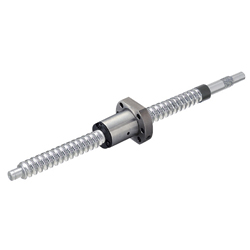 | You can add up to 6 items per a category to the compare list.    | You can add up to 6 items per a category to the compare list. | You can add up to 6 items per a category to the compare list. 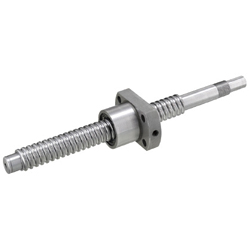 | You can add up to 6 items per a category to the compare list. 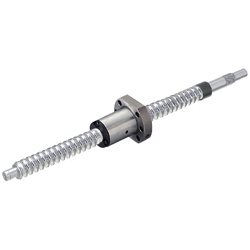 | You can add up to 6 items per a category to the compare list.    | You can add up to 6 items per a category to the compare list.  | You can add up to 6 items per a category to the compare list. 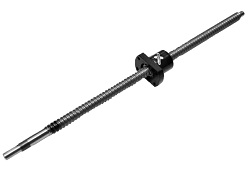 | You can add up to 6 items per a category to the compare list.  | You can add up to 6 items per a category to the compare list.  | You can add up to 6 items per a category to the compare list. 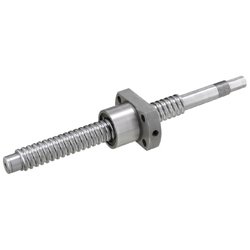 | You can add up to 6 items per a category to the compare list. 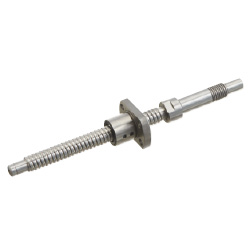 | You can add up to 6 items per a category to the compare list. 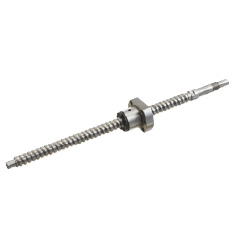 | You can add up to 6 items per a category to the compare list.    | You can add up to 6 items per a category to the compare list.  | You can add up to 6 items per a category to the compare list. | You can add up to 6 items per a category to the compare list. 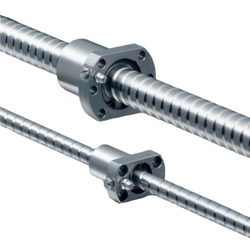 | You can add up to 6 items per a category to the compare list.  | You can add up to 6 items per a category to the compare list.  | |
| Brand | MISUMI | MISUMI | MISUMI | MISUMI | MISUMI | MISUMI | MISUMI | MISUMI | THK | MISUMI | MISUMI | MISUMI | MISUMI | THK | MISUMI | MISUMI | MISUMI | THK | MORIMOTO SHAFT | MISUMI | MISUMI | MISUMI | MISUMI | MISUMI | MISUMI | THK | THK | NSK | MISUMI | MISUMI |
| Product Series | Rolled Ball Screws Compact Nut - Shaft Dia. 12; Lead 4 - Accuracy Grade C10 | Rolled Ball Screw Made in Taiwan, Shaft Diameter ø20, Lead 5/10/20, Short Nut | Precision Ball Screws Standard Nut - Shaft Dia. 25; Lead 5, 10, 25 - Accuracy Grade C5 | Precision Ball Screws - Shaft Dia. 6; Lead 1 / 2 / 6 /10 - Accuracy Grade C5 | Precision Ball Screws Standard Nut - Shaft Dia. 12; Lead 2, 5, 10 - Accuracy Grade C5 | Precision Ball Screws Standard Nut - Shaft Dia. 15; Lead 5, 10, 20 - Accuracy Grade C5 | Precision Ball Screws Shaft Dia.10 Lead 2/4 Accuracy Grade C5 | Rolled Ball Screws - Shaft Dia. 6; Lead 1 / 2 / 6 / 10 - Accuracy Grade C7 | Precision Ball Screw, Shaft End finished product (BNK Shape), Shaft Diameter 14, Lead 8 | Rolled Ball Screw Made in Taiwan, Shaft Diameter ø12, Lead 4/5/10 | Rolled Ball Screw Made in Taiwan, Shaft Diameter ø15, Lead 5/10/16/20 Short Nut | Precision Ball Screws - Shaft Dia. 4; Lead 1 / 2 - Accuracy Grade C5 | Precision Ball Screw, Shaft End (BNK Shape), Shaft Diameter 10, Lead 4 | Rolled Ball Screws Compact Nut - Shaft Dia. 25; Lead 5 - Accuracy Grade C10 | Rolled Ball Screw Made in Taiwan, Shaft Diameter ø25, Lead 5/10/25 | Left and Right Hand Precision Ball Screws - Shaft Dia. 4; Lead 1 - Accuracy Grade C5 | Precision Ball Screw With No Machining on Shaft Ends, MBF Model (No Preload Type) | Rolled Ball Screws Compact Nut - Shaft Dia. 8, Lead 2 - Accuracy Grade C10 | Rolled Ball Screws Compact Nut - Shaft Dia. 10, Lead 4 - Accuracy Grade C10 | Rolled Ball Screws Compact Nut - Shaft Dia. 20; Lead 5, 10 - Accuracy Grade C10 | Precision Ball Screws Standard Nut - Shaft Dia. 8; Lead 2 - Accuracy Grade C5 | Precision Ball Screws Standard Nut - Shaft Dia. 20; Lead 5, 10, 25 - Accuracy Grade C5 | Rolled Ball Screws - Shaft Dia. 4; Lead 1 / 2 - Accuracy Grade C7 | Shaft Tip Complete Product Precision Ball Screw (BNK Type), Shaft Diameter: 20, Lead: 10 | Standard Ball Screw, Compact FA Series for Transport Use, FSS Type | Rolled Ball Screws Compact Nut - Shaft Dia. 15; Lead 5, 10 - Accuracy Grade C10 | Precision Ball Screws Standard Nut - Shaft Dia. 10; Lead 2, 4 - Accuracy Grade C5 | |||
| CAD |
|
|
|
|
|
|
|
|
|
|
|
|
|
|
|
|
|
|
|
|
|
|
|
|
|
|
|
|
| |
| From | ₹ 45,502.83 | ₹ 1,272.73 | ₹ 29,217.80 | ₹ 40,229.31 | ₹ 45,483.82 | ₹ 34,624.93 | ||||||||||||||||||||||||
| Days to Ship | 9 Day(s) or more | 10 Day(s) or more | 9 Day(s) or more | 11 Day(s) | 9 Day(s) or more | 9 Day(s) or more | 12 Day(s) | 11 Day(s) | 5 Day(s) or more | 6 Day(s) or more | 9 Day(s) or more | 9 Day(s) or more | 11 Day(s) | 5 Day(s) or more | 9 Day(s) or more | 9 Day(s) or more | 11 Day(s) | 22 Day(s) or more | 8 Day(s) or more | 9 Day(s) or more | 9 Day(s) or more | 9 Day(s) or more | 10 Day(s) or more | 9 Day(s) or more | 11 Day(s) | 22 Day(s) or more | 5 Day(s) or more | 11 Day(s) or more | 9 Day(s) or more | 9 Day(s) or more |
| Specifications | ||||||||||||||||||||||||||||||
| Screw Shaft O.D. d(Ø) | 12 | 20 | 25 | 6 | 12 | 15 | 10 | 6 | 14 | - | 12 | 15 | 4 | 10 | 25 | 25 | 4 | 4 ~ 14 | 8 ~ 32 | 8 | 10 | 20 | 8 | 20 | 4 | 25 | 20 | 15 ~ 20 | 15 | 10 |
| Product Type | Rolled Ball Screw | Rolled Ball Screw | Precision Ball Screw | Precision Ball Screw | Precision Ball Screw | Precision Ball Screw | Precision Ball Screw | Rolled Ball Screw | Precision Ball Screw | Ball Screw Related Products | Rolled Ball Screw | Rolled Ball Screw | Precision Ball Screw | Precision Ball Screw | Rolled Ball Screw | Rolled Ball Screw | Precision Ball Screw | Precision Ball Screw | Rolled Ball Screw | Rolled Ball Screw | Rolled Ball Screw | Rolled Ball Screw | Precision Ball Screw | Precision Ball Screw | Rolled Ball Screw | Rolled Ball Screw | Precision Ball Screw | Rolled Ball Screw | Rolled Ball Screw | Precision Ball Screw |
| Lead(mm) | 4 | 5 ~ 20 | 5 ~ 25 | 1 ~ 10 | 2 ~ 10 | 5 ~ 20 | 2 ~ 4 | 1 ~ 10 | 8 | - | 4 ~ 10 | 5 ~ 20 | 1 ~ 2 | 4 | 5 | 5 ~ 25 | 1 | 1 ~ 4 | 2 ~ 32 | 2 | 4 | 5 ~ 10 | 2 | 5 ~ 20 | 1 ~ 2 | 50 | 10 | 10 ~ 20 | 5 ~ 10 | 2 ~ 4 |
| Accuracy Grade | C10 | C7 / C10 | C5 | C5 | C5 | C5 | C5 | C7 | C5 / C7 | - | C7 / C10 | C7 / C10 | C5 | C3 / C5 / C7 | C10 | C7 / C10 | C5 | C5 / C7 | C10 | C10 | C10 | C10 | C5 | C5 | C7 | - | C5 / C7 | C7 | C10 | C5 |
| Flange Shape | Round Shape, 2 Set Screw Flats at both ends | Round Shape, 2 Set Screw Flats at both ends | Round Shape, 2 Set Screw Flats at both ends | - | Round Shape, 2 Set Screw Flats at both ends | Round Shape, 2 Set Screw Flats at both ends | Round Shape, 2 Set Screw Flats at both ends | - | Square Shape | - | Round Shape, 2 Set Screw Flats at both ends | Round Shape, 2 Set Screw Flats at both ends | - | Square Shape | Round Shape, 2 Set Screw Flats at both ends | Round Shape, 2 Set Screw Flats at both ends | - | Round Shape, 2 Set Screw Flats at both ends | Round Shape, 2 Set Screw Flats at both ends | Round Shape, 2 Set Screw Flats at both ends | Round Shape, 2 Set Screw Flats at both ends | Round Shape, 2 Set Screw Flats at both ends | Round Shape, 2 Set Screw Flats at both ends | Round Shape, 2 Set Screw Flats at both ends | - | Round Shape, 2 Set Screw Flats at both ends | Square Shape | Round Shape, 2 Set Screw Flats at both ends | Round Shape, 2 Set Screw Flats at both ends | Round Shape, 2 Set Screw Flats at both ends |
| Axial End Type | - | Standard Shaft End Alterations Item | Standard Shaft End Alterations Item | - | Standard Shaft End Alterations Item | Standard Shaft End Alterations Item | - | - | - | - | Standard Shaft End Alterations Item | Standard Shaft End Alterations Item | - | - | - | Standard Shaft End Alterations Item | - | - | - | - | - | - | - | Standard Shaft End Alterations Item | - | - | - | - | - | - |
Loading...
Configure
Specification/Dimensions
-
Screw Shaft O.D. d(Ø)
-
Product Type
-
Lead(mm)
-
Accuracy Grade
-
Flange Shape
-
Axial End Type


Related Categories to Ball Screw
Payment Method
- Credit Card
-


- Debit Cart
-


- Net Banking
-


- UPI
-


- Cheque on delivery
-

- Online payment
-


Social Media


MISUMI India Contact
Copyright © MISUMI Corporation All Rights Reserved.
How can we improve?
How can we improve?
Thank you for your time.
Your feedback is essential for our continuous improvement
Privacy Policy
Thank you for your cooperation.
Thank you for your time.
Your feedback is essential for our continuous improvement
Please use the inquiry form.
Privacy Policy