How MISUMI’s Economy O-Rings Keep Machines Running Smoothly
Publish Date: 06 November 2025
Every engineer knows that in machinery, it’s often the smallest components that make the biggest difference. O-rings are a perfect example — simple, circular seals that quietly prevent leaks, protect against pressure loss, and keep complex systems working flawlessly.
At MISUMI, we’ve taken this small yet critical part and engineered it for reliability, affordability, and ease of selection. The result? The MISUMI Economy O-Ring Series, developed to national GB standards and trusted across industries for consistent, high-quality sealing performance.
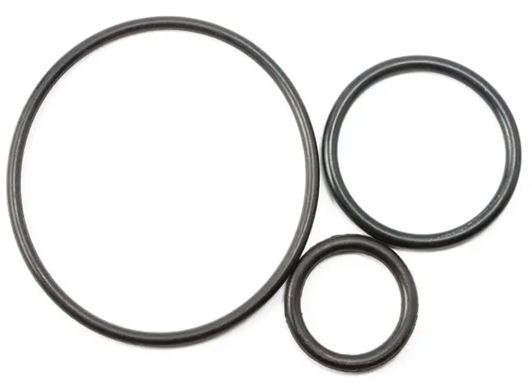
What Exactly Does an O-Ring Do?
An O-ring works by using the elastic interference of rubber to create a tight seal. When placed between two surfaces, it deforms slightly — just enough to block fluid or gas from escaping. It’s a simple principle, but one that underpins everything from hydraulic systems to robotic equipment.
MISUMI Economy O-Ring Series: Precision Meets Practicality
The MISUMI Economy Series is built for performance and accessibility. Developed under the GB national standard, it features universal dimensions and materials widely compatible with existing industrial systems.
Key features include:
- High-quality imported rubber materials for consistent elasticity and sealing strength.
- Dimensional precision with guaranteed density and tolerance control.
- Comprehensive size range — inner diameters from 1.8 mm to 250 mm and wire diameters from 1.8 mm to 7 mm.
- Wide temperature capability from -20°C to 200°C depending on material.
- In-stock availability and same-day shipment to minimize downtime.
- 3D CAD data support for seamless design integration.
The result is a cost-effective yet technically robust sealing solution that meets both design and maintenance requirements.
Material Options and Performance Characteristics
MISUMI’s Economy O-Rings are available in two key materials, each optimized for specific environments:
| Material | Hardness (HS) | Color | Temperature Range | Performance Focus | |
|---|---|---|---|---|---|
| Nitrile Rubber (NBR) |  |
70±5 | Black | -20°C to 100°C | Excellent oil resistance, ideal for general-purpose applications |
| Fluoro Rubber (FKM) | |
75±5 | Brown | -10°C to 200°C | Superior heat and chemical resistance for demanding conditions |
The material choice defines how the O-ring behaves under pressure, temperature, and fluid exposure. For example, NBR O-rings excel in systems using mineral oils, while FKM O-rings maintain sealing integrity in aggressive chemical or high-temperature environments.
Application Configurations: Fixed vs. Movable Sealing
O-rings can be installed in two distinct configurations, depending on system design and motion requirements:
1. Fixed (Static) Sealing
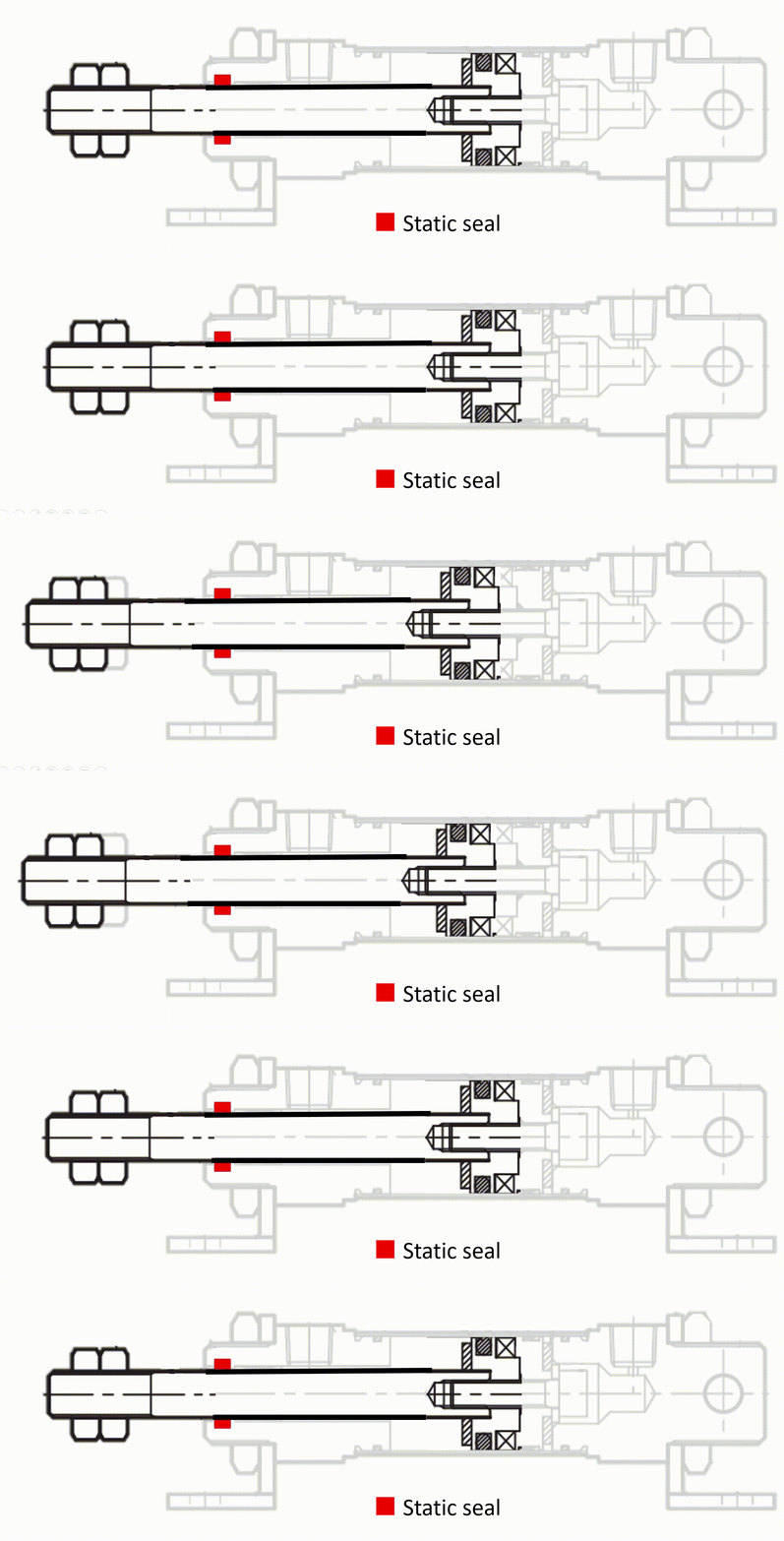
- a. The O-ring is installed inside the cylinder, and the O-ring does not move when the piston rod moves in and out.
- b. Common in valve seats, pipe joints, and housing covers.
- c. Can resist either internal or external pressure, depending on placement.
2. Movable (Dynamic) Sealing
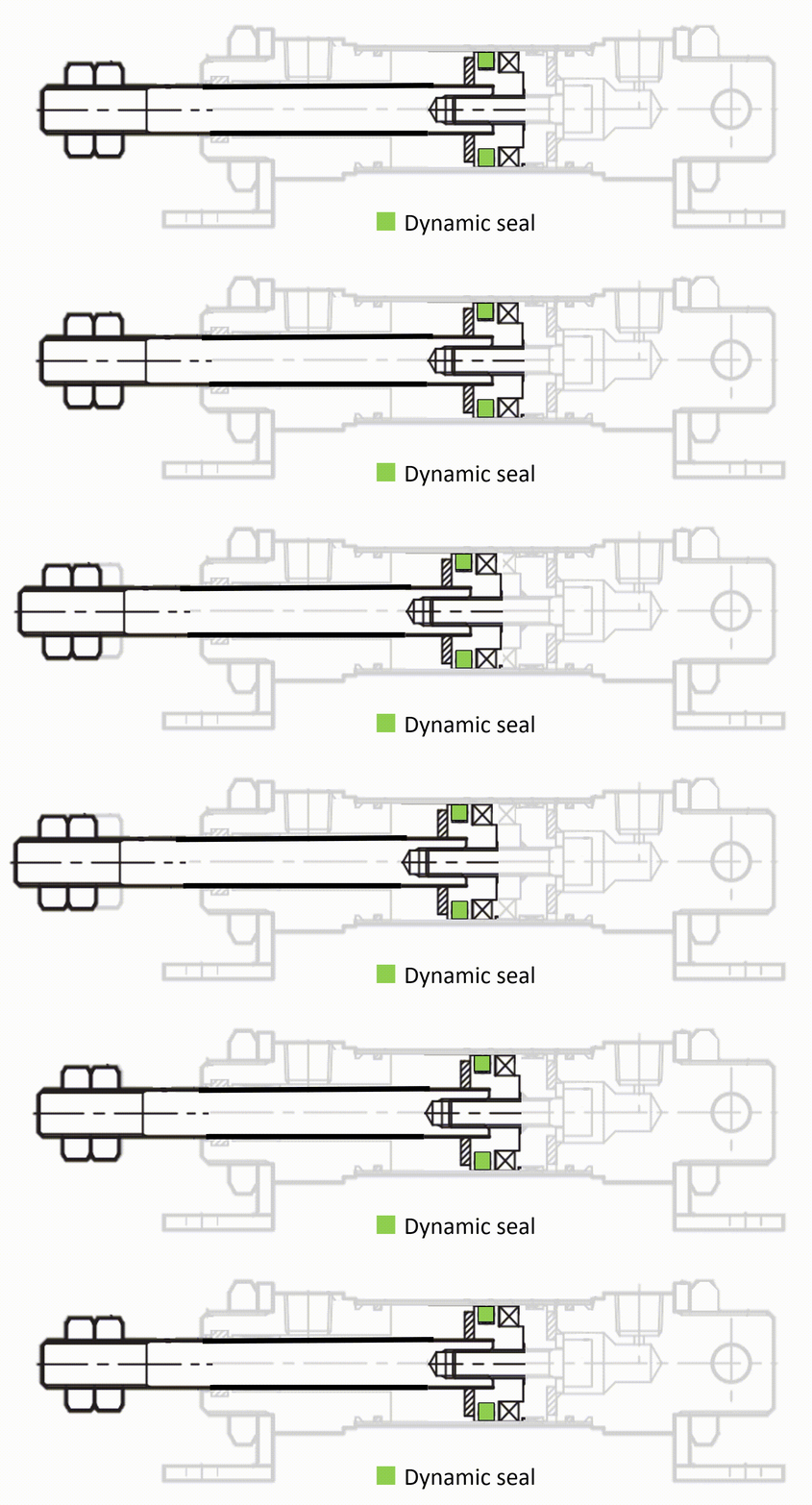
- a. Used where motion occurs — typically installed inside the cylinder and moves with the piston rod.
- b. Accommodates relative displacement between components, maintaining a continuous seal.
- c. Found in reciprocating pistons, hydraulic actuators, and rotary shafts.
This versatility allows the same O-ring geometry to serve multiple functions depending on installation design and motion profile.
Designed for Real-World Industrial Demands
MISUMI O-Rings are widely used in automated production lines, robotic peripherals, and processing equipment where reliability and uptime are critical. Their precise molding and high-density material structure prevent common sealing failures such as extrusion, tearing, or compression set.
Every specification — from wire diameter tolerance to hardness — is controlled to ensure predictable behavior under load, pressure, and temperature. This makes them not only reliable sealing components but also valuable design elements for engineers seeking consistency in performance and assembly.
Engineering Considerations and Best Practices
To maximize sealing performance, proper groove design and installation are essential.
- Slotting size should match the O-ring’s wire diameter and intended use (static or dynamic).
- Avoid excessive stretching or twisting during assembly.
- For dynamic applications, apply suitable lubrication to minimize friction and wear.
- Always verify material compatibility with the working fluid and temperature conditions.
By following these guidelines, the O-ring can maintain its sealing function throughout its service life — reducing maintenance intervals and preventing costly downtime.
The MISUMI Advantage
The Economy O-Ring Series reflects MISUMI’s core philosophy: provide reliable, standardized components that support design flexibility and manufacturing efficiency.
- Wide product variety
- Verified quality materials
- 3D CAD availability
- Rapid delivery
MISUMI ensures that engineers can select, design, and implement sealing solutions with full confidence — from prototype development to mass production.
In Summary
An O-ring may be a small part, but in industrial systems, it’s a cornerstone of performance and reliability. MISUMI’s Economy O-Rings combine precise engineering, durable materials, and cost-effective accessibility — ensuring your machines stay leak-free, efficient, and dependable under any condition.
Because in every well-designed system, the smallest components often make the biggest impact.


